
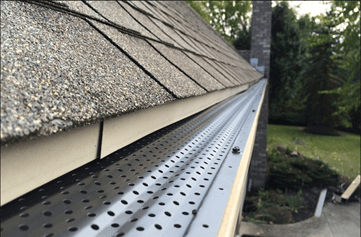
Yes, gutter guards can cause roof problems when they are installed in ways that interfere with the roof edge, shingles, underlayment, or drainage path. The guard itself is often not the main issue; the risk usually comes from the installation method, compatibility with the roof, or poor water handling at the eaves. That is why the question Can Gutter Guards Cause Roof Problems? matters for homeowners in Southwest Florida, where heavy rain, wind, and roof edge details all affect performance.
When a guard is matched to the roof and installed correctly, it can reduce debris buildup and help gutters move water away from the home. When it is installed poorly, it can lift shingles, trap water, redirect runoff in the wrong way, or create conditions that stress the roof edge. In some cases, improper installation can also jeopardize manufacturer guidance for the roofing system.
How gutter guards can create roof trouble
Gutter guards can create roof trouble in a few specific ways, especially when installers do not follow the shingle manufacturer’s instructions or when the roof edge is already vulnerable. Most roof problems tied to guards are not caused by the idea of a guard itself. They come from how the guard is attached, how it changes the flow of water, and whether it fits the roof design.
Installation methods that can be risky
Some guard systems require actions that may conflict with roof manufacturer guidance, such as:
- Penetrating shingles
- Removing and replacing shingles
- Removing or altering drip edge components
- Trimming shingles to fit the guard
- Placing parts of the guard under underlayment in a way the roof system was not designed for
Water backup at the fascia or roof edge
A properly functioning gutter system should carry water away from the roof edge. If the system does not drain correctly, water can stand in the gutter, spill over the edge, or back up toward the fascia. Over time, that can contribute to:
- Fascia damage
- Moisture near roof decking
- Corrosion on metal components
- Staining or rot at the roof edge
Warranty and manufacturer concerns
Roof manufacturers generally want their products installed according to written instructions. Guidance from major roofing manufacturers indicates that gutter covers or guards usually do not affect warranty coverage when they are installed by knowledgeable professionals and in line with the roof manufacturer’s directions. But improper installation can jeopardize coverage and may create leak risk around the eaves.
That means homeowners should treat the guard as part of the roof drainage system, not as an isolated accessory. If the installation changes how the roof edge functions, the potential for trouble rises.
Debris control is not the same as blockage prevention
It is also important to remember that guards are not a perfect shield. Some leaves, pine needles, and grit can still collect on top of or around the guard. FEMA guidance for wildfire related home protection notes that some leaf guards do not stop all debris from accumulating. That warning applies more broadly too: no guard removes the need for correct design and maintenance.
What homeowners should watch for after installation
After gutter guards are installed, look for signs that water is not moving the way it should. Common warning signs include:
1. Water spilling behind the gutter during rain 2. Drips at the fascia board after storms 3. Shingles near the eaves curling, lifting, or looking disturbed 4. Debris piling up at the lower roof edge 5. Water standing in the gutter long after rain ends 6. Staining on siding or soffit below the roof edge
If any of these show up, the issue may be the fit or installation method, not the concept of gutter protection itself.
A simple way to think about risk
If the roof edge stays intact and the gutter still drains well, the guard is more likely to help than harm. If the installation changes the roof assembly, traps water, or interferes with manufacturer instructions, roof problems become more likely. That is the core issue behind Can Gutter Guards Cause Roof Problems? and the answer is yes, they can, but usually because of how they are installed rather than because they exist at all.
For matching local service options, see gutter installation north port fl.
Choosing a guard that works with your roof
The safest approach is to treat gutter guards as part of a complete drainage system. The right product for one house may be a poor choice for another if the roof slope, shingle type, drip edge detail, or rainfall exposure is different.
What to consider before installation
Use this checklist before adding guards:
- Roof type and shingle manufacturer instructions
- Condition of the existing drip edge and fascia
- Roof slope and how quickly water moves off the eaves
- The amount of tree debris around the home
- Whether the gutter size and downspouts are adequate
- How the system handles heavy rain common in Southwest Florida
Good installation practices
A careful installation usually follows a few practical steps:
1. Inspect the roof edge before starting 2. Confirm the guard is compatible with the roof assembly 3. Avoid methods that disturb shingles or underlayment unless the manufacturer allows it 4. Keep the drainage path open so water can move freely into the gutter 5. Check that the gutter is properly pitched and secured 6. Test the system in rain or with controlled water flow after installation
These steps matter because a guard can only perform as well as the gutter system around it.
Comparison of common outcomes
| Situation | What can happen | Roof impact risk |
|---|---|---|
| Guard installed without disturbing shingles | Water enters gutter cleanly and debris is reduced | Lower risk |
| Guard installed by lifting or trimming shingles | Roof edge may be exposed or altered | Moderate to high risk |
| Guard installed under incompatible roof layers | Water path may be disrupted | High risk |
| Guard fits well but gutter is undersized | Water may overflow in heavy rain | Moderate risk |
| Guard blocks debris but traps water | Standing water can stress fascia and edge materials | Moderate to high risk |
Why Southwest Florida homes need extra attention
In this region, storms can deliver a lot of water in a short time. That means a gutter guard has to do two jobs at once: keep debris from packing the gutter and still let water move fast enough to keep up with the rain. If it slows the system too much, overflow can happen even when the roof itself is sound.
The practical concern is not whether a guard looks sturdy. It is whether the full system, including the roof edge, gutters, and downspouts, can handle local weather without holding moisture where it does not belong.
When guards may be helpful
Gutter guards can be useful when:
- Trees drop leaves, seeds, or needles into gutters often
- The gutter system is otherwise in good condition
- The roof edge details allow a compatible installation
- The installer follows the roof manufacturer’s guidance
- The homeowner still plans routine inspections and cleaning
Frequently Asked Questions
Do gutter guards automatically void a roof warranty? No. In many cases, properly installed guards do not affect warranty coverage. The concern is improper installation, especially if it conflicts with the shingle manufacturer’s instructions or alters the roof edge in ways the roof system was not designed for.
Can gutter guards cause leaks at the edge of the roof? Yes, they can if the installation lifts shingles, disturbs drip edge details, or changes how water leaves the roof. A leak risk is more likely when the guard is installed incorrectly than when it is installed to match the roof system.
Are all gutter guards safe for every roof? No. Roofs have different shingles, slopes, edge details, and drainage needs. A guard that works well on one roof may create problems on another if it is not compatible with the roof assembly.
Do gutter guards eliminate the need for maintenance? No. Guards can reduce debris buildup, but they do not stop all material from collecting. They still need periodic inspection, especially after storms or during heavy leaf drop.
What is the biggest risk for Southwest Florida homes? The biggest risk is poor compatibility between the guard and the roof edge combined with heavy rain. If the system cannot move water quickly and safely, overflow or edge damage can happen even when the guard is doing part of its job.
Practical homeowner takeaways
If you are deciding whether to install gutter guards, the safest approach is simple:
- Start with the roof manufacturer’s instructions
- Make sure the roof edge is in good condition
- Choose a guard that fits the roof design
- Use an installation method that does not disturb the roof system unnecessarily
- Keep checking the gutters after installation
Need Help With Your Gutters?
No Leak Gutters handles all gutter installation, repair, and maintenance across Sarasota & Charlotte Counties. Get a free estimate today.
Related Gutter Services
Learn more about the services mentioned in this article.