
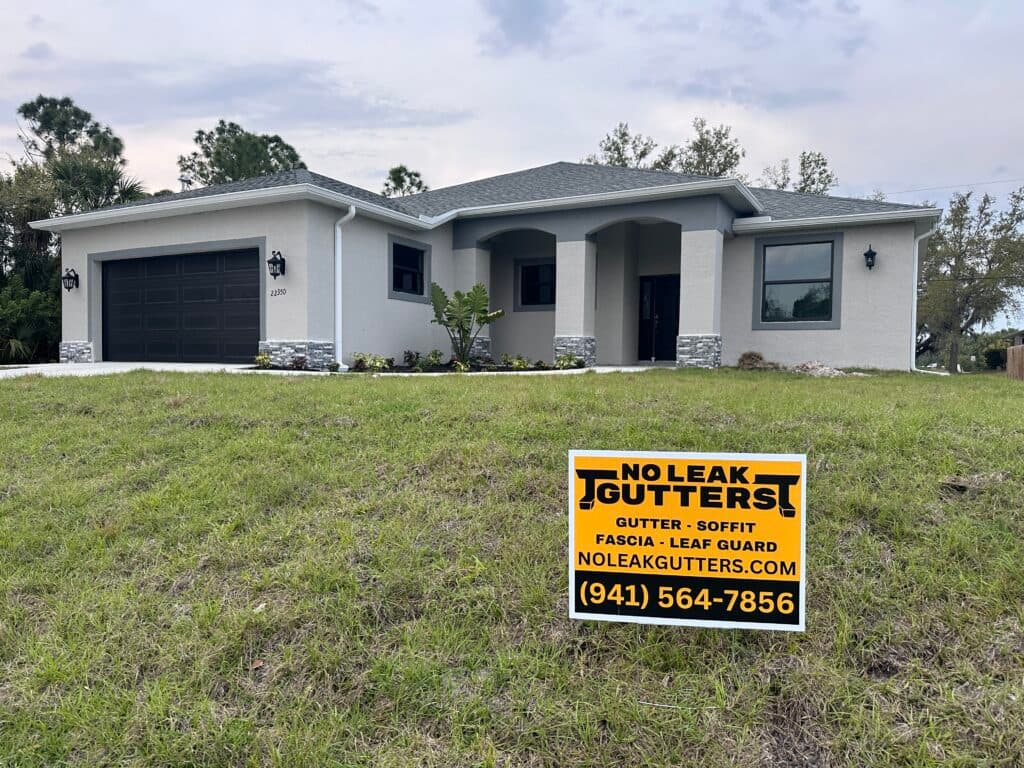
Quick Answer: If rainwater from your roof is causing repeated splash, staining, or wet soil near entry points, then yes, do you need rain gutters on your house. If multiple storms pass and nothing moves back toward the structure, you may still postpone a full change.
Start with the runoff pattern, not the catalog
The most useful decision tool is a simple runoff map. Most owners think in terms of aesthetics first, but runoff control is a structural and maintenance issue. A catalog approach asks what the latest style looks good; a good method asks where the water is ending up.
Use this baseline:
- Take photos before and after a 20–30 minute rain.
- Mark downspout exits and note any back-flow.
- Follow runoff lines into soil and hardscape.
Why "I can clean it" is not always enough
Manual clearing matters and helps, but it is not a system replacement. If gutter volume and roof geometry are creating overflow, cleaning only lowers symptoms. Even a clean system that loses direction at discharge points still lets water gather where it should not.
That is when homeowners ask the same practical question for the fifth time: do I need gutters? and the real question becomes, what volume am I asking a section of roof to carry versus what it currently does.
For a reference-style city case, check gutter installation sarasota fl and compare similar roof and storm patterns. For comparison in guidance, read do you need gutters.
The inspection pass before the next storm
Do this once with the weather:
1. Stand at the first downspout line during rain. 2. Track every stream as far as possible from the wall. 3. Check whether the soil around the perimeter stays wet past the storm. 4. Confirm if downspouts back up or overflow.
If more than one fail point appears, then do you need rain gutters on your house is not a hypothetical question.
Practical meaning for a rainy season plan
That decision line should move from fear-based shopping to a clear sequence. First, capture one complete storm cycle with the same camera points and note which zones repeat. Second, verify outlets after that cycle and compare against your initial photos. Third, if your notes show the same splash at the same doors or walkways, do not wait for full decay to become visible.
A home that keeps repeating the same two overflow zones usually benefits from system correction on those zones first. This may be discharge relocation or section-level replacement. It is often cheaper than replacing every section at once and prevents losing one additional storm window waiting for uncertain estimates.
Poll: what is your current gutter status?
The balanced next step
Not every home needs immediate replacement. Many need a staged route:
- clear and tune,
- verify downspout discharge,
- upgrade in sections with repeat splash,
- expand only after evidence supports larger investment.
A simple three-event validation flow
This usually performs better than replacing everything at once and keeps decisions grounded in performance, not urgency.
Use the same three events and record what changed:
- Event one: baseline photos and current splash markers.
- Event two: clean targeted hot spots only and re-test with similar weather.
- Event three: confirm whether repeat overflow remains in the same two perimeter zones.
If only one of the three events shows wetness, weather may be the driver. Keep data for a month and then decide if investment is needed.
Final Thoughts
If your runoff map is clear, then do you need rain gutters on your house should become an easier decision. If not, keep checking after each rain cycle and test your discharge points before each season. If yes, move from cleaning only to system control improvements where the data tells you.
Need Help With Your Gutters?
No Leak Gutters handles all gutter installation, repair, and maintenance across Sarasota & Charlotte Counties. Get a free estimate today.
Related Gutter Services
Learn more about the services mentioned in this article.