
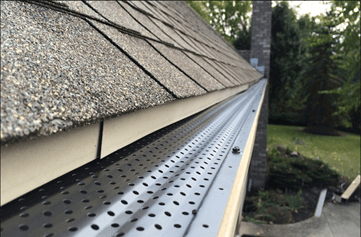
When homeowners compare gutter screens vs. gutter guards, the real question is not which product sounds better but which one helps the gutter system move heavy rain away from the house without trapping debris or creating overflow. In Southwest Florida, that choice often comes down to roof shape, tree cover, maintenance habits, and how well the product supports drainage during sudden downpours.
Gutter protection can reduce cleaning, but it does not eliminate maintenance. It also does not override the need for correct gutter sizing, secure attachment, and a drainage path that can handle strong rainfall. If you are weighing options for North Port gutters, focus first on how your roof sheds water, where debris collects, and how much hands-on upkeep you want to avoid.
What each product is designed to do
Gutter screens: simple debris filtering
Gutter screens usually sit over the gutter opening and act as a basic barrier. Their main job is to keep out larger debris such as leaves and twigs while allowing water to enter the gutter trough.
Screens are often chosen because they are:
- Straightforward to understand
- Typically less complex than more engineered covers
- Useful for reducing larger debris buildup
- Easier to inspect at a glance
Gutter guards: broader protection approach
Gutter guards is a broader term for products designed to reduce debris entry into the gutter system. Some are mesh-based, some are solid-surface designs, and some rely on a shaped profile that encourages water to follow the cover while debris falls away.
These systems are often chosen for:
- Better control of smaller debris
- Lower routine cleaning needs than open gutters
- Homes with heavy tree cover
- Situations where the owner wants a more hands-off approach
The main difference in plain language
Screens are usually a simpler barrier. Guards are usually a more engineered debris management system. Both aim to reduce clogging, but neither one should reduce the gutter’s ability to pass water during a hard rain.
Side by side comparison
| Feature | Gutter Screens | Gutter Guards |
|---|---|---|
| Main purpose | Block larger debris | Reduce more types of debris from entering the gutter |
| Design style | Basic cover or mesh | Broad category that includes more engineered systems |
| Cleaning frequency | Usually reduced, but still needed | Often reduced more, depending on design and debris load |
| Small debris control | Moderate | Often better, depending on product type |
| Installation needs | Can be simpler | Can vary from simple to more involved |
| Best fit | Homes with modest debris exposure | Homes with heavier debris exposure or owners wanting less routine upkeep |
What matters more than the label
A product name matters less than how it performs in real weather. In Southwest Florida, a gutter protection product should be judged by these practical questions:
1. Does it allow water to enter quickly during heavy rain? 2. Does it stay securely attached in wind and storms? 3. Does it resist clogging from local debris like leaves, pine needles, and seed pods? 4. Does it allow inspection and cleaning when needed? 5. Does it work with the gutter size and roof drainage plan already in place?
If the answer to any of these is no, the system may cause more problems than it solves.
How Florida homes should think about performance
Drainage first, product second
Florida code guidance centers on drainage capacity, secure installation, and overflow management. That means the gutter system has to move water safely, even when rain is intense. A screen or guard should never reduce the system’s ability to handle the volume of water the roof can deliver.
For a homeowner, that translates into a simple rule: protection should support drainage, not fight it. If a product catches debris but slows water too much, water may run over the gutter edge or back up where it does not belong.
Why Southwest Florida conditions make this choice different
Southwest Florida homes deal with a mix of conditions that can challenge gutters:
- Sudden heavy rain
- High humidity that can add grime and biological buildup
- Palm debris, leaves, and seed material
- Wind-blown storm debris
- Roofs that may shed water quickly during downpours
When screens can make sense
Screens may be a good fit when:
- The property has moderate debris exposure
- The homeowner still plans periodic inspection
- The goal is to reduce large leaf buildup rather than eliminate all maintenance
- Budget and simplicity are important
When guards can make sense
Guards may be a better fit when:
- Trees or palms drop frequent debris
- The homeowner wants fewer cleanings
- Fine debris has been a recurring issue
- The roofline makes ladder access more difficult or more time consuming
What to ask before choosing either one
Use these questions to narrow the decision:
- How much debris actually lands in the gutters now?
- Is the bigger problem leaves, pine needles, or sludge?
- Do downspouts already back up during storms?
- Are there sections where water spills over during heavy rain?
- Will the product be easy to inspect after a storm season?
Maintenance still matters
Roof and gutter care is not a one-time decision. Routine checking matters because Florida storms can move a surprising amount of organic material into gutters and drains. Even with protection installed, homeowners should still look for:
- Debris sitting on top of the system
- Standing water in gutter runs
- Overflow stains on fascia or siding
- Loose fasteners or sections that have shifted
- Downspouts that discharge poorly or back up
Frequently Asked Questions
What is the difference between gutter screens and gutter guards?
Gutter screens are usually simpler covers or mesh barriers that block larger debris. Gutter guards is a wider term for more engineered products designed to reduce debris entry more effectively. Both aim to keep gutters cleaner, but they do it in different ways.
Do gutter screens or guards replace gutter cleaning?
No. They can reduce how often cleaning is needed, but they do not eliminate maintenance. Debris can still build up on top of the system, at corners, or in downspouts, especially after storms.
Which is better for Florida homes?
There is no single best answer for every home. The better choice depends on roof design, tree cover, rainfall exposure, and how much maintenance the homeowner wants to handle. The system should still move water freely during heavy rain.
Can gutter protection cause overflow problems?
It can if the product slows water flow, becomes clogged, or is not matched to the gutter and roof drainage setup. Any protection system should be checked for how it handles intense rainfall, not just for how it blocks debris.
Do I still need inspections after installing protection?
Yes. Seasonal inspections are still a smart idea. Florida weather can leave debris on the system, shift attachments, or expose drainage issues that need attention before they become water damage problems.
Need Help With Your Gutters?
No Leak Gutters handles all gutter installation, repair, and maintenance across Sarasota & Charlotte Counties. Get a free estimate today.
Related Gutter Services
Learn more about the services mentioned in this article.