
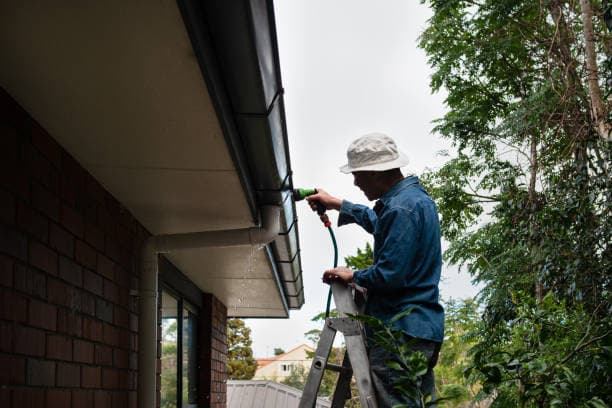
If you are wondering how to clean an underground drainage pipe, start with inspection, clear any visible debris at the openings, and only move into deeper cleaning if the line is still draining slowly or backing up. For most homeowners, the safest approach is to clean the accessible parts first, then stop if the pipe seems blocked farther underground, because buried drainage lines often need professional jetting or vacuum cleaning when sediment, sand, or roots have built up inside the pipe.
Underground drainage systems are easy to ignore until water starts pooling in the yard, flooding a low spot, or backing up near a downspout or basin. In Southwest Florida, heavy rain, sandy soil, leaves, pine needles, and root intrusion can all reduce flow over time. If your system is acting up, the goal is not just to rinse it once. The goal is to find out where the restriction is and remove it without damaging the pipe.
Start With Inspection and the Safest DIY Cleaning Steps
Find the accessible openings first
Begin at the parts you can actually reach:1. Drain grates or inlet basins 2. Downspout connections 3. Cleanouts, if your system has them 4. Any visible outlet where the pipe discharges
Open what you can safely open, remove surface debris, and check whether standing water is sitting in the basin or inlet. If the grate is packed with leaves, palm fronds, mulch, or mud, clear that first. A clogged inlet can make the pipe look blocked when the real problem is right at the entrance.
Flush only minor buildup
For light debris, a garden hose can help move loose material through the line. Keep the flow steady and observe what happens at the outlet, if visible. If water runs through and then clears, that is a good sign that the pipe was only partly restricted.If the hose water backs up quickly, if you hear gurgling, or if the water barely moves, stop and reassess. Forcing water into a buried line with a serious blockage can send muddy water back toward the house or wash sediment into a worse jam.
Clean the surface points, not just the pipe
A lot of underground drainage problems begin above ground. Check for:- Leaves and mulch covering the grate
- Soil washing over the inlet
- Silt collecting in catch basins
- Downspout elbows filled with debris
- Broken or crushed pipe sections near the surface
Know when to stop the DIY approach
Stop cleaning and call for a closer inspection if you notice:- Water backing up from multiple openings
- Persistent odors coming from the line
- A soft, sunken, or wet area over the pipe route
- Slow drainage that returns after every rain
- Muddy water coming out for a long time
When recurring clogs point to a bigger issue
In Southwest Florida, underground drainage often fills with fine sand and sediment over time. Roots can also enter through joints or damaged sections. If the same pipe clogs again and again, cleaning the visible opening will only solve the symptom. The full run may need inspection so the real restriction can be located.If you are managing drainage around your property and also thinking about roof runoff, it helps to keep the roof system in good shape too. A simple reminder like how often you should clean your gutters can help reduce the amount of debris reaching underground lines in the first place.
How Professionals Clean a Buried Drain Line
Jetting and vacuum cleaning are the common methods
When a buried drainage pipe has heavy buildup, professionals usually use water jetting, vacuum truck cleaning, or a combination of both. These methods are designed to break loose sediment, move it downstream, and remove it from the system rather than just pushing it farther along.This matters because underground pipe cleaning is different from washing a driveway or flushing a downspout. A strong rinse can help only if the blockage is small and close to the opening. Once sediment, compacted mud, or roots are established inside the line, deeper cleaning equipment is usually needed.
What the process often looks like
A professional cleaning visit may include:1. Locating the line and finding access points 2. Inspecting the pipe or basin for visible buildup 3. Using a jetter to loosen debris inside the line 4. Vacuuming out sediment and slurry 5. Repeating passes until the return water runs much clearer 6. Checking flow again after cleaning
If the line has multiple sections or several inlet points, more than one pass may be needed. That is normal. The goal is steady restoration of flow, not a quick splash of water.
Why inspection matters before and after cleaning
Cleaning without inspection is often guesswork. If the pipe is cracked, offset, collapsed, or invaded by roots, cleaning alone may not solve the problem for long. That is why a pipe can seem fine after a flush and still clog again after the next storm.Inspection helps answer questions like:
- Is the line full of loose sediment?
- Is there a root mass inside?
- Has part of the pipe collapsed?
- Is the issue actually at the inlet or outlet?
- Is the drain system undersized for the amount of runoff?
Signs that the pipe needs more than a rinse
Not every drainage line is a good candidate for DIY flushing. Deeper cleaning is likely needed if you see:- Standing water that does not drain after several minutes
- Water bubbling up from another opening
- Sand or mud coming out in large amounts
- A line that clears briefly and then clogs again
- A section that seems weak, sunken, or damaged
Maintenance matters more than one-time cleanup
Underground drainage works best when it is part of a regular maintenance routine. In storm-prone areas, systems often need periodic inspection, cleaning of inlets and outlets, and attention after major rain events. Waiting until the pipe is fully blocked usually means more work and a bigger mess.The practical approach is simple: keep debris out of the openings, watch for slow drainage, and act early when flow changes. That is especially useful in areas with sand, roots, and frequent heavy rainfall, because those conditions can build up inside a pipe much faster than homeowners expect.
| Cleaning approach | Best for | What it can handle | Main limitation |
|---|---|---|---|
| Grate and basin cleaning | Leaves, mulch, mud at the opening | Surface debris and minor buildup | Does not reach deep blockages |
| Garden hose flushing | Light loose sediment | Small clogs near accessible openings | Can fail on compacted debris or roots |
| Water jetting | Stubborn sediment and sludge | Interior pipe buildup along the run | Requires proper equipment and care |
| Vacuum cleaning | Removed loosened material | Slurry, sand, and debris after jetting | Usually part of a larger service process |
| Inspection first | Locating the cause | Helps decide the right cleaning method | Does not remove debris by itself |
Frequently Asked Questions
How do I know if my underground drain pipe is clogged?
If water pools near a drain inlet, a downspout backs up, or the line drains much slower than it used to, the pipe may be clogged. If the problem keeps returning after you clear the grate or flush the opening, the blockage is likely deeper inside the buried line.
Can I use a pressure washer to clean an underground drainage pipe?
A pressure washer is not the safest first choice for most homeowners. Strong pressure can shift debris without removing it fully, and it can make a bad blockage worse if the pipe is damaged or already partially collapsed. A light hose flush may be fine for minor debris, but deeper cleaning is usually best handled with the right equipment.
How often should an underground drainage line be cleaned?
There is no single schedule that fits every property. It depends on tree cover, soil, rainfall, and how much debris enters the system. In Southwest Florida, it is smart to inspect the line after heavy rain and clean it when you see slower flow, standing water, or repeated buildup.
What causes underground drainage pipes to clog most often?
Common causes include leaves, sand, mud, roof debris, root intrusion, and settlement that traps sediment in low spots. In coastal and storm-prone areas, fine sand and organic debris often collect together and gradually reduce flow.
When should I call for professional help?
Call for help if water backs up from multiple points, the line smells bad, the drain clogs repeatedly, or you suspect roots, broken pipe, or a collapsed section. Those issues usually need inspection and deeper cleaning, not just a surface rinse.
Keeping an underground drain working well is usually about prevention, early inspection, and the right level of cleaning. If you can clear the visible openings and the system still drains normally, simple maintenance may be enough. If not, the pipe likely needs a more thorough look so the restriction can be found before it causes yard flooding or erosion. For homeowners who want to reduce future drainage problems, staying on top of the roof-to-ground runoff path and watching the system after storms can make a big difference, especially in a rainy climate like Southwest Florida.
Need Help With Your Gutters?
No Leak Gutters handles all gutter installation, repair, and maintenance across Sarasota & Charlotte Counties. Get a free estimate today.
Related Gutter Services
Learn more about the services mentioned in this article.