
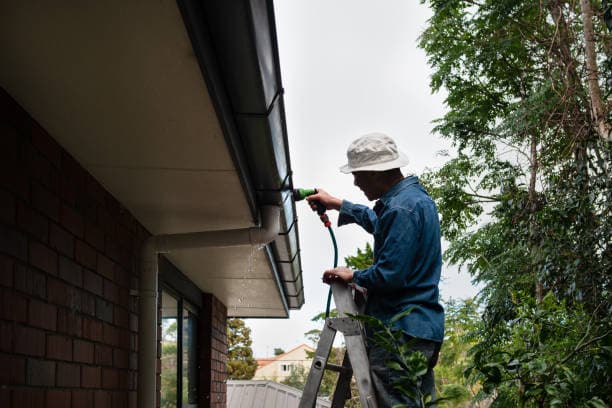
The short answer to How Often Should You Clean Your Gutters? is twice a year for most homes, usually in spring and fall. Homes beneath mature trees, especially pine or oak trees, may need cleaning every three to four months. Florida homeowners should also inspect their gutters before the rainy season and after major storms.
The right schedule for gutter cleaning north port fl homes depends on tree cover, roof debris, guard type, and how quickly downspout outlets collect material.
The right schedule depends on how quickly debris enters the system, how much rain the roof receives, and whether the downspouts drain freely. A gutter that looks clear from the ground can still have a blocked outlet or compacted debris in a corner. Regular cleaning protects the roof edge, fascia, siding, landscaping, and foundation from concentrated runoff.
For a local inspection or maintenance recommendation, north port gutters can be evaluated by the No Leak Gutters team based on the home's trees, roofline, gutter condition, and drainage layout.
How often should you clean your gutters?
The following schedule is a useful starting point for most homes:
| Property conditions | Recommended cleaning schedule |
|---|---|
| Few trees and a simple roofline | At least twice a year |
| Several trees near the roof | Every three to four months |
| Pine trees or dense oak canopy | Inspect quarterly and clean as needed |
| Two-story or difficult-to-access home | Inspect twice a year and use a professional when needed |
| Gutter guards installed | Inspect twice a year and clean the guard surface as needed |
| After a major storm | Inspect gutters, outlets, and downspouts promptly |
Twice-yearly cleaning is a baseline, not a guarantee. If the gutter repeatedly overflows before the next scheduled visit, the home needs a shorter interval or a drainage assessment. Repeated overflow can also indicate an installation problem, such as poor pitch, inadequate downspout capacity, or a roof valley that sends too much water into one section.
Why spring and fall are common cleaning times
Spring cleaning removes debris that accumulated during winter and prepares the system for heavier rainfall. Fall cleaning removes leaves, seed pods, and small branches before they sit in the gutter through wet weather. In Florida, the exact timing is more flexible because trees can shed throughout the year and the rainy season is concentrated in the warmer months.
For Southwest Florida homes, a spring inspection before frequent summer storms is particularly useful. A second cleaning later in the year can address storm debris and any buildup that entered during the wet season. Homes with nearby pines, live oaks, or palms may require additional checks between those visits.
How Florida weather changes the schedule
Florida gutters face intense downpours, high humidity, wind-blown debris, and tropical weather. A small amount of debris can become a heavy, compacted blockage after repeated rain. Water then backs up in the gutter or spills over the front edge when the roof sends a large volume toward the downspout.
A named storm or strong thunderstorm is a reason to inspect the system, even if the gutters were cleaned recently. Look for leaves, palm material, branches, shingle granules, and damaged sections. Storm inspection is especially important when trees overhang the roof or when the home has screened enclosures that make access more difficult.
How trees affect gutter cleaning frequency
Trees are usually the biggest factor in the cleaning schedule. Oak leaves and seed pods can collect in the gutter channel, while pine needles can slide through larger guard openings and mat together near the outlet. Palm debris can cover a gutter section and prevent water from reaching the channel.
If branches touch or overhang the roof, inspect the gutters more often than a home on an open lot. A quarterly inspection does not always mean four full cleanings. It may simply reveal that the system is still clear or that a small amount of debris can be removed before it becomes a larger blockage.
Keep a simple maintenance record with the cleaning date, amount of debris, downspout flow, and any repairs noticed. After two or three visits, that record makes the right interval easier to see. It can also help a contractor understand whether an overflow is caused by debris or by a drainage design issue.
What signs mean your gutters need cleaning?
The most obvious sign is water overflowing during rain, but the system often shows earlier warnings. Check for the following conditions:
- Plants, grass, or moss growing inside the gutter
- Water dripping or spilling from one section during a storm
- Slow or weak flow from a downspout
- A gutter that sags or pulls away from the fascia
- Dark streaks, mildew, or water stains below the roof edge
- Mulch or soil washed away below the gutter
- Standing water near the foundation after rain
- Birds, insects, or nesting material around the roofline
- Granular debris collecting in corners or outlets
- A gutter guard covered by a thick layer of leaves or pollen
Why cleaning protects the home
Gutters are designed to collect roof runoff and send it through downspouts to a safer discharge point. When debris blocks that path, water can run behind the gutter, over the fascia, or directly against the home's foundation. Repeated moisture may contribute to peeling paint, soft wood, stained siding, landscape erosion, basement or crawl-space moisture, and other repairs.
Cleaning also creates an opportunity to inspect the system. A technician can identify loose hangers, separated joints, cracked end caps, damaged downspouts, and areas where the roof sends unusually high flow. Removing debris without checking those components can leave the cause of an overflow unresolved.
Do gutter guards change the schedule?
Gutter guards can reduce how often the inside of the gutter needs cleaning, but they do not eliminate inspection or maintenance. Fine pollen, roof grit, pine needles, and small seed material may collect on the guard surface. Some guard designs also allow debris to accumulate at the front edge or around downspout openings.
A guarded system should still be checked at least twice a year and after severe storms. The surface may need brushing or rinsing, and downspouts still need to be tested. In-gutter foam or brush products can require more frequent attention because debris remains inside the gutter rather than sliding off the top.
Should you clean gutters if they look empty?
Yes, an inspection can still be useful. A gutter may look empty along the visible run while an outlet or downspout is blocked. A low spot may also hold water without leaving a large pile of leaves. During a safe inspection, check whether water moves toward the outlet and whether the discharge point remains open.
Do not climb onto a roof or place a ladder against the gutter to get a better view. If you cannot inspect the system safely from the ground or from a properly positioned ladder, have a professional check it.
How should you clean gutters safely?
Gutter cleaning is a maintenance task, but it is also ladder work. A safe method starts with choosing whether the home and conditions are appropriate for DIY work.
When DIY cleaning may be reasonable
DIY cleaning may be reasonable for a single-story home with a low, accessible roofline, stable ground, light debris, and no nearby electrical hazards. Wear gloves, eye protection, and shoes with a stable sole. Keep tools organized so you do not climb while carrying loose equipment.
Set the ladder on firm, level ground. Do not place it on wet soil, loose gravel, stacked blocks, or an unstable paver. Keep three points of contact while climbing, move the ladder instead of leaning sideways, and never stand on the highest rungs. A ladder stabilizer can help prevent contact with the gutter itself.
When professional cleaning is safer
Professional help is the safer option for two-story homes, steep roofs, heavy blockages, wet or uneven ground, screened enclosures, difficult downspouts, or homeowners who are uncomfortable with ladder work. A professional can also inspect the system while cleaning and identify repairs that are easy to miss from below.
Never work near an electrical service line, during lightning, or on a wet roof. If a storm has passed, wait until the ground and roof access are safe. A small maintenance task is not worth a fall or electrical injury.
A practical cleaning process
1. Inspect the roofline and ground conditions from a safe position. 2. Set up the ladder on firm, level ground with a stabilizer when appropriate. 3. Remove large debris with a gloved hand or gutter scoop. 4. Clear the gutter outlet before flushing the long run. 5. Flush the gutter and downspout with a hose when the system can safely handle the water flow. 6. Watch the discharge point to confirm water exits away from the home. 7. Inspect for leaks, sagging, loose hangers, damaged guards, and fascia deterioration. 8. Bag debris instead of washing it into the yard, storm drain, or downspout.
The downspout is part of the gutter system. A clean channel with a blocked downspout will still overflow. If water does not exit freely, the blockage may be in the elbow, underground extension, or buried drain connection rather than the visible gutter.
The discharge area deserves attention too. An extension that ends beside the foundation can create pooling even when the gutter and downspout are clean. During an inspection, look for washed mulch, a narrow trench in the soil, or a wet area that remains after nearby ground has dried. Moving the discharge farther away or connecting it to an appropriate drainage route may be more useful than cleaning the same gutter repeatedly.
No Leak Gutters guide
Gutter Cleaning Schedule
Adjust the baseline to match your home
Twice yearly
Baseline for most homes
Quarterly checks
For pine, oak, or dense tree cover
After storms
Look for branches and blocked outlets
With guards
Inspect surfaces and downspouts
What to do after cleaning
Run water through each section only when it is safe and appropriate for the system. Watch for leaks at corners and end caps, water that sits in a low spot, and discharge that returns toward the foundation. Note any problem area and schedule repair rather than waiting for the next major storm.
Homes that need frequent cleaning may benefit from pruning branches, improving downspout discharge, installing suitable gutter guards, or replacing an undersized system. Guards should not be installed over gutters that are sagging, leaking, or attached to damaged fascia.
Frequently asked questions
How Often Should You Clean Your Gutters?
Most homes need cleaning twice a year. Homes with overhanging trees, pine needles, heavy debris, or frequent storms may need quarterly inspections and additional cleanings.
Is once a year enough for gutters?
Once a year may be enough for a home with little tree coverage and a clean, free-flowing system. It is not a reliable schedule for every property, especially homes with trees near the roof.
Should Florida gutters be cleaned before hurricane season?
Yes. Clearing debris and testing downspouts before the most active storm period helps the system manage heavy rainfall. It does not protect against every drainage or wind problem, so inspect the hangers and discharge points too.
Do gutter guards mean gutters never need cleaning?
No. Guards can reduce interior debris, but they still need inspection and occasional surface cleaning. Downspouts and the gutter attachment points also require maintenance.
What happens if you do not clean your gutters?
Debris can block water flow and contribute to overflow, fascia damage, siding stains, landscape erosion, foundation moisture, pests, and costly repairs.
How do you know whether a gutter needs cleaning or repair?
Leaves and compacted debris usually point to cleaning. Overflow with a clear channel may indicate poor pitch, an undersized gutter, a blocked downspout, a leak, or a damaged section that needs repair.
If you are still deciding How Often Should You Clean Your Gutters?, No Leak Gutters can inspect the complete drainage path and recommend the safest maintenance schedule for your home.
For matching local service options, see gutter repair port charlotte fl.
Read next
Need Help With Your Gutters?
No Leak Gutters handles all gutter installation, repair, and maintenance across Sarasota & Charlotte Counties. Get a free estimate today.
Related Gutter Services
Learn more about the services mentioned in this article.
Keep debris out and water flowing with professional gutter guard installation. Reduce maintenance and extend the life of your gutter system.
Fast, reliable gutter repair for leaks, sagging, detachment, and storm damage. We diagnose the issue and fix it right the first time.