
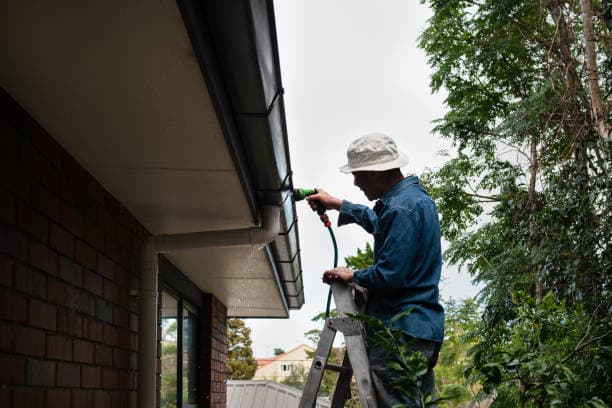
White gutters look sharp when they are clean, but they can also show dirt, algae, mildew, and water stains quickly. How To Clean White Gutters starts with the simplest method first: rinse away loose debris, wash the surface with water and a mild detergent, then rinse thoroughly. In most cases, that gentle approach is enough to restore the finish without harming paint, seams, or nearby roof materials.
If you live in Southwest Florida, keeping white gutters bright often means staying ahead of humidity, pollen, and organic buildup. Homeowners in North Port gutters and nearby areas usually get better results from regular light cleaning than from aggressive scrubbing or harsh chemicals. The goal is to remove buildup safely and protect the gutter system at the same time.
Start With a Gentle Cleaning Method
Gather the right supplies
Before you climb a ladder, set out everything you need so you are not carrying items while working at height.
- Bucket of clean water
- Mild dish soap or another gentle detergent
- Soft sponge, microfiber cloth, or soft-bristle brush
- Garden hose with a normal spray nozzle
- Non-scratch pad for stubborn spots
- Dry towels or rags
- Gloves and eye protection
Remove loose dirt first
Begin by rinsing the gutters with plain water. This helps remove dust, leaves, and loose grime before you scrub.
1. Spray or pour water along the gutter exterior. 2. Let dirt soften for a minute or two. 3. Wipe with a wet cloth or soft brush. 4. Rinse again to remove loosened debris.
If the gutters are heavily coated with pollen or mud, you may need to repeat the rinse before adding soap.
Wash with mild soap
Mix a small amount of mild detergent with warm water. Dip your sponge or cloth into the solution and wipe the gutter surface in sections.
Work top to bottom so dirty runoff does not streak cleaned areas. Keep the cloth or brush wet enough to glide, but not dripping. After each section, rinse with clean water so soap does not dry on the finish.
Use a soft brush only where needed
Some gutter seams, corners, and drip edges hold onto grime more than flat areas. A soft brush can help, but pressure should stay light. Scrubbing too hard can dull painted surfaces and wear down protective coatings.
Dry the surface
Once the gutters are rinsed, let them air-dry or wipe them with a clean towel. Drying helps you see what stains remain and prevents new drip marks from forming.
Handle Stains, Mold, and Mildew Carefully
Know what type of stain you are treating
Not every dark mark on white gutters is the same. Some stains come from:
- Airborne dirt and dust
- Tree pollen and organic residue
- Algae growth from constant dampness
- Mildew or mold staining
- Rust transfer from nearby hardware
- Runoff from roofing materials
When soap and water are enough
For many hard exterior surfaces, cleaning with water and detergent is usually enough to remove surface growth and grime. That is especially true when buildup is fresh and has not had time to set in.
If you still see staining after washing, try another gentle cleaning pass before reaching for a stronger product. Dead mold or mildew residue still needs to be removed, not just treated, so wiping and rinsing matter even when a disinfecting product is used.
Use bleach only with caution
Bleach is not a routine first choice for exterior gutter cleaning. If you decide to use a bleach-based cleaner for a stubborn stain, read the product label carefully and keep these points in mind:
- Never mix bleach with ammonia or other cleaners.
- Work in a well-ventilated area.
- Pre-rinse the surface if the label calls for it.
- Keep the surface wet for the listed contact time.
- Rinse thoroughly after treatment.
Try stain-specific approaches before harsher chemicals
Not all staining needs the same treatment. A few examples:
- Green streaks or slime: usually respond to washing and a soft brush.
- Black spotting: often needs repeated washing and thorough rinsing.
- Rust-like marks: may come from adjacent metal, and the source should be checked.
- Sticky residue: can often be removed with warm soapy water and patience.
Avoid pressure washing too aggressively
A pressure washer can strip dirt quickly, but too much force can do more harm than good. High pressure may force water behind roof edges, damage seam sealant, or wear away the painted finish.
If you use a pressure washer at all, keep the pressure low and the nozzle well away from the gutter surface. For many homeowners, a hose, soap, and soft brush are safer and more predictable.
Match the cleaning method to the gutter material
| Gutter surface | Best first step | Use caution with | Usually avoid |
|---|---|---|---|
| Painted white aluminum | Mild soap, soft cloth, rinse well | Diluted exterior cleaner for stubborn stains | Abrasive pads, harsh pressure, long bleach contact |
| Vinyl or coated trim | Gentle detergent and soft sponge | Spot treatment for isolated staining | Solvents, stiff brushing, hot pressure washing |
| White fascia or adjacent trim | Light wash and rinse | Small test area before stronger cleaner | Overwetting seams and edges |
| Nearby brackets or metal accessories | Quick rinse after cleaning | Short contact only if product label allows | Leaving bleach residue on metal |
Stay safe on the ladder
Cleaning gutters is a common home task, but it is also one of the more fall-prone ones. Set the ladder on level ground, inspect it before use, and do not move it while you are on it. Do not rest the ladder directly against the gutter.
For roof-edge access, the ladder should extend at least 3 feet above the point of contact at the eave, gutter, or roofline so you have something stable to hold onto while getting on and off. Avoid overreaching. If a section is too far away, climb down and move the ladder.
Keep stains from coming back
White gutters stay cleaner longer when you reduce the conditions that cause buildup.
- Trim back branches that drop sap or leaves
- Rinse gutters after heavy pollen seasons
- Clear debris from the gutter interior so water can drain freely
- Check downspouts for clogs or slow flow
- Wipe off splash marks before they bake on in the sun
Homeowners who want a simple upkeep plan often find it helpful to pair exterior washing with a regular interior cleaning schedule. If you are deciding how often that should happen, our article on gutter maintenance timing can help you plan ahead with the seasons.
Frequently Asked Questions
What is the safest way to clean white gutters?
Start with water and a mild detergent, then use a soft cloth or brush and rinse well. That approach removes most dirt and light staining without risking scratches or finish damage.Can I use bleach on white gutters?
You can use a bleach-based cleaner only with caution and only if the label allows it. It should never be mixed with ammonia or other cleaners, and it should be rinsed off thoroughly. Bleach is not usually the first choice for routine cleaning.Will a pressure washer ruin white gutters?
It can if the pressure is too high or the nozzle is too close. Strong spray may damage seams, loosen sealant, or force water into places it should not go. Gentle washing is usually safer.Why do my white gutters keep turning green or black?
In humid weather, repeated discoloration usually points to moisture, algae, pollen, or trapped organic buildup. Cleaning helps, but so does improving drainage and keeping debris out of the system.How often should I clean white gutters?
It depends on trees, weather, and roof runoff. Homes with heavy pollen, nearby trees, or frequent storms usually need more frequent attention than homes with open surroundings. A seasonal check is a good starting point, then adjust based on what you see.Need Help With Your Gutters?
No Leak Gutters handles all gutter installation, repair, and maintenance across Sarasota & Charlotte Counties. Get a free estimate today.
Related Gutter Services
Learn more about the services mentioned in this article.