
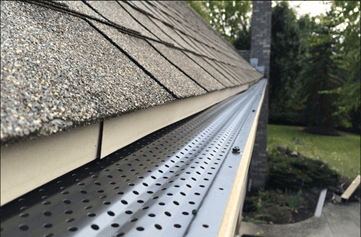
Yes, gutter guards can really work, but they work best as part of a complete gutter system, not as a replacement for one. If your goal is to reduce how often gutters clog and cut down on routine cleaning, guards can help. If your goal is to never think about gutters again, that is not realistic. In Southwest Florida, where heavy rain, tree debris, and storm events are common, gutter guards can be useful, but they still need the right gutter size, slope, downspouts, and occasional maintenance.
For homeowners asking do gutter guards really work, the short answer is yes, they can reduce debris buildup and make gutter care easier. The longer answer is that performance depends on the guard type, the roof, the amount of surrounding foliage, and how well the whole drainage system was designed. Guards can slow leaves, twigs, and other larger debris from entering the gutter channel, but fine material, roof grit, and small seeds can still collect on top of or around them. That means overflow can still happen if the system is not maintained.
What gutter guards do well and where they fall short
The main benefits
Gutter guards are designed to keep larger debris out of the gutter while still allowing rainwater to enter and move through the system. For many homes, that means:- Less frequent gutter cleaning
- Fewer clogs from leaves and twigs
- Less standing debris inside the gutter
- Reduced chances of water spilling over from a fully packed gutter
- Less work after every minor storm
The limitations homeowners should expect
Guards are helpful, but they are not magic. They do not:- Fix poor gutter pitch
- Replace undersized gutters or downspouts
- Stop every type of debris
- Prevent all maintenance
- Eliminate overflow risk during heavy rain
What matters most in Florida homes
In Southwest Florida, homes have to deal with frequent rain, strong sun, coastal air, and storm season. That means the best guard choice is not always the one with the highest marketing claims. It is the one that matches:1. Your roof type 2. Your tree coverage 3. Your gutter size 4. Your drainage path away from the house 5. Your maintenance habits
Guards are most effective when they help a properly installed gutter system do its job. They are least effective when they are added to a system that already has slope, overflow, or drainage issues.
A simple way to think about it
How gutter guards fit Florida drainage needs
Florida homes depend on gutters and downspouts to move rainwater away from the building perimeter. Guards do not replace that job. They only support it. If the system is not sized or installed correctly, water can still end up where you do not want it, including along fascia, soffits, walkways, patios, or near the foundation.
If you are weighing whether to add guards, it helps to understand the bigger drainage picture. Proper gutter performance depends on all of the following working together:
- Correct gutter slope
- Enough downspout capacity
- Solid attachment and alignment
- Clear discharge away from the house
- Overflow control where needed
- Periodic inspection after storms
For a broader comparison before choosing a product or installation approach, review best gutter guards for florida.
When guards make the most sense
Guards are often a practical choice if:- Your home sits under trees that shed often
- You are tired of frequent debris buildup
- You want to reduce how often you climb a ladder
- Your gutters are otherwise in decent condition
- You want added help during windy or stormy seasons
When guards may not be enough on their own
They may be a poor fit, or at least not a complete fix, if:- Your gutters overflow even when they are clean
- Downspouts are too small or too few
- Water does not drain away from the house properly
- The roof edge or flashing has issues
- The system needs repair before any accessory makes sense
Choosing the right type matters
Not all guards behave the same way. Some are better for larger leaves. Others do better with fine debris. Some handle heavy rainfall more effectively than others. In a place with intense rain and mixed tree debris, that difference matters.
| Guard type | Strengths | Tradeoffs | Best use case |
|---|---|---|---|
| Mesh or screen | Helps block many leaves and larger debris | Fine material can still collect | Homes with moderate debris and regular inspections |
| Micro-mesh | Better at stopping smaller debris | May need more upkeep on top surface | Homes with smaller debris or roof grit concerns |
| Solid cover style | Can shed debris well in some conditions | Water handling varies by design | Homes where debris slides off cleanly |
| Foam or insert style | Easy to place in existing gutters | Can trap dirt and break down over time | Short term or lower-demand situations |
The right choice depends on your roof, trees, and drainage needs. In Florida, a guard that works well in one neighborhood may be only a partial solution in another.
Maintenance still matters
Even with guards, it is smart to:1. Inspect gutters after major storms 2. Check downspout outlets for blockage 3. Look for debris sitting on top of the guard 4. Watch for overflow stains or washouts below the gutter line 5. Schedule cleaning when buildup starts to affect water flow
That upkeep is usually lighter than cleaning unprotected gutters all the time, but it is not zero.
Frequently Asked Questions
Do gutter guards eliminate gutter cleaning? No. They usually reduce how often gutters need attention, but they do not eliminate maintenance. Debris can still collect on top of guards or work its way into the system over time.
Can gutter guards stop overflow in heavy Florida rain? Not by themselves. If gutters or downspouts are undersized, poorly sloped, or already clogged, guards will not fully prevent overflow during intense rainfall.
Are gutter guards worth it for homes with lots of trees? Often, yes. Homes with frequent leaf and twig buildup tend to benefit the most because guards can reduce how quickly gutters fill up.
Do gutter guards help protect the home from water damage? They can help by reducing clogs, which lowers the chance of overflow. But they only protect the home when the whole drainage system is designed and maintained correctly.
Should I still inspect my gutters after storms if I have guards? Yes. Storms can leave debris on top of the guards, shift material around, or expose preexisting drainage issues that need attention.
If you are deciding whether guards are right for your home, the key is to think of them as a helper, not a cure-all. They can reduce debris, reduce cleaning, and improve day-to-day gutter performance, but only when the rest of the system is working properly. For many Southwest Florida homes, that makes them a useful upgrade. For others, the first step is fixing the drainage system itself before adding any guard at all.
For matching local service options, see gutter guard installation north port fl.
Need Help With Your Gutters?
No Leak Gutters handles all gutter installation, repair, and maintenance across Sarasota & Charlotte Counties. Get a free estimate today.
Related Gutter Services
Learn more about the services mentioned in this article.