
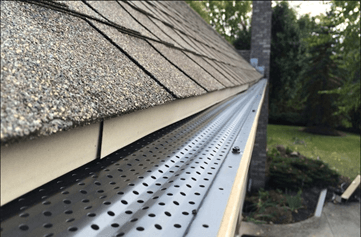
Gutter guard longevity is not one fixed number, and the honest answer to How Long Do Gutter Guards Last? is that it depends on the material, the installation quality, the amount of maintenance, and how close the home is to salt air and storm exposure. In Southwest Florida, a guard that performs well inland may wear out faster near the coast if the fasteners, mesh, or clips are not corrosion resistant.
For homeowners, the most useful way to think about gutter guards is not by a promised lifespan, but by how long they are likely to stay effective before parts need cleaning, tightening, repair, or replacement. A well chosen system can last many years, but even durable products still need inspection, especially after heavy rain, wind, or hurricane season.
What Actually Determines Gutter Guard Lifespan?
Material quality matters first
The guard itself is only part of the system. In a humid coastal climate, corrosion resistance often determines whether a product lasts a short time or a long time. Aluminum and stainless steel generally hold up better than lower quality metals or plastic parts that can become brittle, warp, or corrode.
Installation quality can shorten or extend service life
Even a strong gutter guard may fail early if it is installed poorly. Common problems include:
1. Loose fastening points 2. Gaps that let debris slip in 3. Incorrect slope that traps water 4. Damaged gutters that were never repaired first 5. Mixed metals that can accelerate corrosion in coastal conditions
If a guard is not attached securely, strong wind can lift sections, pull out clips, or bend the edge of the system. That is especially relevant for north port gutters and nearby coastal homes that face seasonal storms.
Maintenance still affects how long guards last
Gutter guards reduce debris buildup, but they do not eliminate it. Leaves, seeds, pine needles, roof grit, and blown sand can still collect on top of the system or around the edges. If that buildup is ignored, water can overshoot the gutter, slow down flow, or back up under roof edges.
Regular inspection helps catch:
- Clogged guard surfaces
- Loose fasteners
- Rust spots or corrosion
- Sagging gutter sections
- Damage after wind or storm events
Climate exposure is a major factor in Southwest Florida
Salt air, high humidity, frequent rain, and strong winds are hard on exterior hardware. In coastal areas, exposed metal fasteners can corrode faster than homeowners expect, especially if they are not stainless steel or otherwise corrosion resistant. Florida coastal guidance places a strong emphasis on using materials that are appropriate for that environment.
Typical lifespan ranges by guard type
The table below gives broad, practical ranges. These are estimates, not guarantees.
| Gutter guard type | Common lifespan range | What affects it most | Best fit for Southwest Florida |
|---|---|---|---|
| Foam inserts | A few years to moderate term | UV exposure, breakdown, debris retention | Usually not the longest lasting option |
| Brush guards | A few years to moderate term | Debris trapping, cleaning frequency, wind | Can work short term, but maintenance is important |
| Basic plastic screens | Short to moderate term | Sun damage, brittleness, movement in storms | Often less durable in harsh coastal conditions |
| Aluminum screens | Moderate to long term | Fastener quality, installation, corrosion resistance | Often a better value if installed properly |
| Stainless steel micro mesh | Long term | Debris load, cleaning, fastener choice | Often one of the better options near the coast |
How to Make Gutter Guards Last Longer in Coastal Florida
Choose corrosion resistant materials
In a salt influenced environment, the frame, screen, screws, clips, and brackets all matter. If the guard is made from strong material but the fasteners rust out, the system can still fail early. Stainless steel fasteners and corrosion resistant metals are especially important near the coast.
Keep gutters and roof edges in good shape
Gutter guards work best when the rest of the drainage system is healthy. Before installation, gutters should be properly aligned, securely fastened, and free of existing damage. If the gutters already sag or leak, a guard will not fix those problems.
Inspect after major weather
A quick post storm look can save money later. Check for:
- Lifted edges
- Missing clips or screws
- Debris piled on top
- Sections that shifted out of alignment
- Water spilling over where it should flow into the gutter
Clean on a schedule that fits the property
Homes under heavy tree cover may need more frequent attention than homes with open rooflines. Seasonal residents should also remember that an empty home still needs periodic checks. UF/IFAS guidance on seasonal homes reinforces the need to prevent hidden buildup, and EPA guidance notes that leaf screens and guards still require inspection to stay effective.
Match the system to the home
There is no single best guard for every property. Roof pitch, tree type, nearby construction, wind exposure, and proximity to the coast all change the answer. A home that collects oak leaves, palm debris, and roof grit may need a different approach than a home with little overhead cover.
When replacement is smarter than repair
Sometimes a guard is simply past its useful life. Consider replacement if you notice:
- Repeated clogging despite cleaning
- Rust or corrosion spreading across hardware
- Warped panels or bent sections
- Fasteners that no longer hold securely
- Frequent overflow after moderate rain
Frequently Asked Questions
How long do gutter guards usually last?
There is no universal answer. Budget or lower durability systems may last only a few years in harsh coastal conditions, while higher quality aluminum or stainless steel systems can last much longer if they are installed correctly and maintained.
Do gutter guards eliminate cleaning?
No. They usually reduce the amount of cleaning, but they do not remove the need for inspection. Debris can still sit on top of the guard, collect at edges, or clog nearby gutters and downspouts.
Do gutter guards wear out faster near the coast?
Yes, they can. Salt air, humidity, and storms are hard on metal parts and fasteners. Corrosion resistant materials are especially important for coastal homes.
What part fails first on a gutter guard system?
Often the small components do. Clips, screws, brackets, seal points, and bent edges may fail before the main screen or panel does, especially if the system was exposed to wind or corrosion.
Is a warranty the same as lifespan?
No. A warranty is a separate promise from the manufacturer, and it does not necessarily match how long the product will stay in good working condition in a specific home and climate.
For matching local service options, see north port gutters.
Need Help With Your Gutters?
No Leak Gutters handles all gutter installation, repair, and maintenance across Sarasota & Charlotte Counties. Get a free estimate today.
Related Gutter Services
Learn more about the services mentioned in this article.